
Expert Tips for a Perfect Custom Portrait: Insights from Chris Smith
Ab
Creating a custom portrait is a unique way to capture the essence of a person, pet, or even a beloved place. Chris Smith, an experienced portrait artist, shares his expertise on how to achieve the perfect custom portrait. Whether you're an artist yourself or commissioning a piece, these insights will guide you through the process.
Understanding the Subject
The first step in creating a custom portrait is understanding the subject. Chris emphasizes the importance of connecting with the subject on a personal level. This connection helps to capture not just the physical appearance but also the personality and spirit.
Chris suggests spending time observing the subject, whether it's through photographs or in-person sessions. Pay attention to unique features, expressions, and details that make the subject distinctive.

Selecting the Right Medium
Choosing the right medium is essential in bringing a portrait to life. Chris prefers to discuss options with clients, considering factors such as style, texture, and color. Popular choices include oil paints, watercolors, and charcoal.
Each medium has its own set of advantages. For instance, oil paints offer rich textures and vibrant colors, while charcoal provides a classic and timeless look. Consider what best suits the subject and the intended atmosphere of the portrait.
Composing the Portrait
Composition is a crucial element in portrait artistry. Chris advises starting with preliminary sketches to experiment with different layouts. Consider the placement of the subject, background elements, and lighting to create a balanced composition.
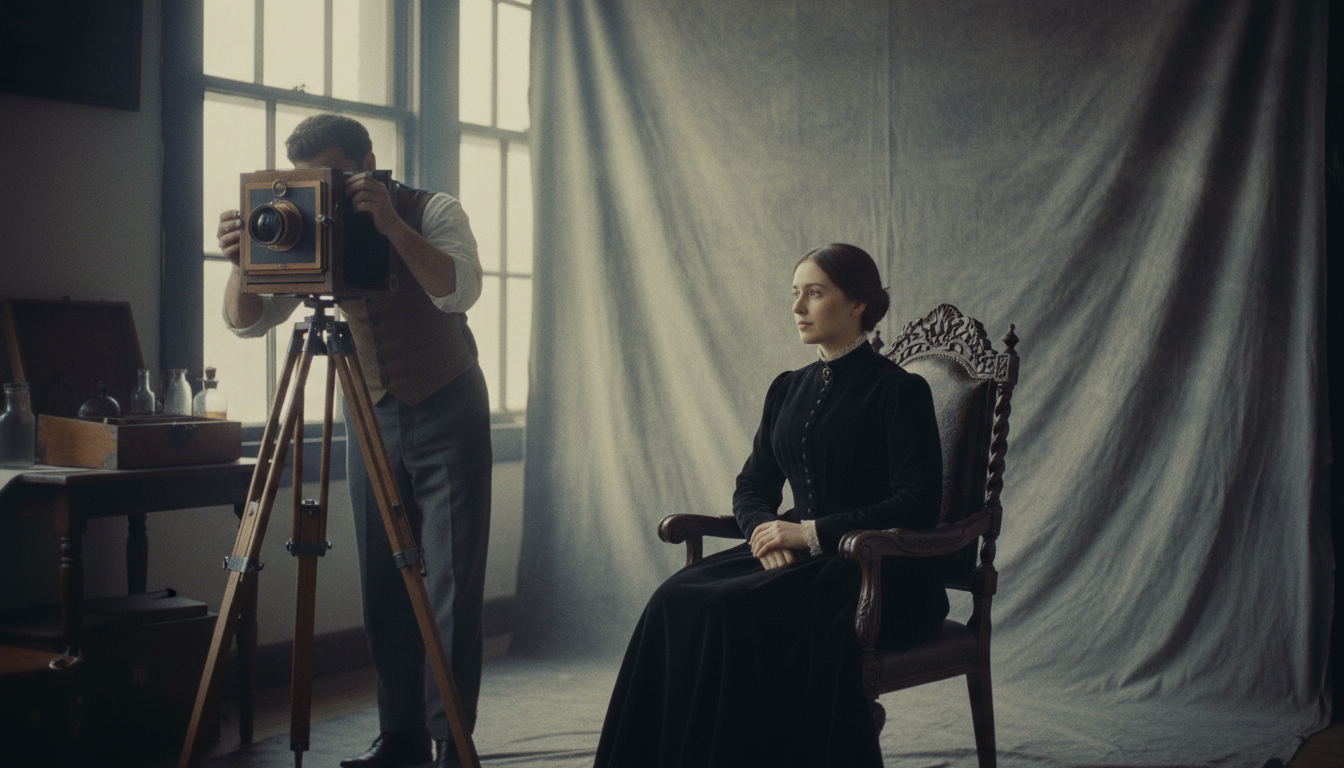
Lighting plays a significant role in setting the mood of the portrait. Chris suggests using natural light whenever possible to achieve a soft and realistic effect. Experiment with different angles to find the most flattering and expressive look.
Capturing Emotions and Expressions
A successful portrait captures more than just the likeness; it conveys emotion and tells a story. Chris recommends focusing on the eyes, as they are often the most expressive feature. Subtle changes in the eyes and mouth can dramatically alter the mood of the portrait.
Don't shy away from capturing imperfections—they add character and authenticity to the portrait. Embrace the unique traits that make the subject who they are.

Finalizing and Preserving the Portrait
Once the portrait is complete, Chris stresses the importance of proper preservation. Use high-quality materials from the start to ensure the longevity of the artwork. If using paints, apply a protective varnish to prevent fading and damage.
Consider framing the portrait with archival quality materials to further protect it from environmental factors. This not only enhances the presentation but also ensures the portrait remains a cherished keepsake for years to come.
Conclusion
Creating a perfect custom portrait is an art form that combines skill, intuition, and a deep understanding of the subject. By following Chris Smith's expert tips, you can achieve a portrait that is both beautiful and meaningful. Whether you're creating the portrait yourself or commissioning it, these insights will help you appreciate the artistry behind every brushstroke.